World · Daily Terminal
Public confidence in vaccines for fatal childhood illnesses such as measles has eroded in the U.S., a new Reuters/Ipsos survey shows, posing a challenge as the country faces its most severe measles surge in decades. The four-day poll, which concluded on Monday, revealed that most Americans across political lines still support pediatric measles shots. The disease had been virtually eliminated in the U.S. for over two decades until declining vaccination rates brought it back.
About 76% of adults view measles, mumps, and rubella immunizations as safe for children, down from 84% in May 2020. This decline in trust was sharpest among Republicans, following efforts by some party figures to minimize the importance of vaccines. Americans' trust in vaccines for deadly childhood diseases, including measles, has fallen in recent years, a new Reuters/Ipsos poll found (Reuters) In August, President Donald Trump signed an executive order directing a reduction in the recommended federal childhood vaccine schedule from 17 to 11 immunizations.
Robert F. Kennedy Jr., a longtime anti-vaccine campaigner before Trump appointed him health secretary, has sought to overhaul national policy to reduce recommended pediatric shots. Pennsylvania, Utah, and South Carolina are currently dealing with outbreaks, with Pennsylvania reporting three measles-related deaths recently.
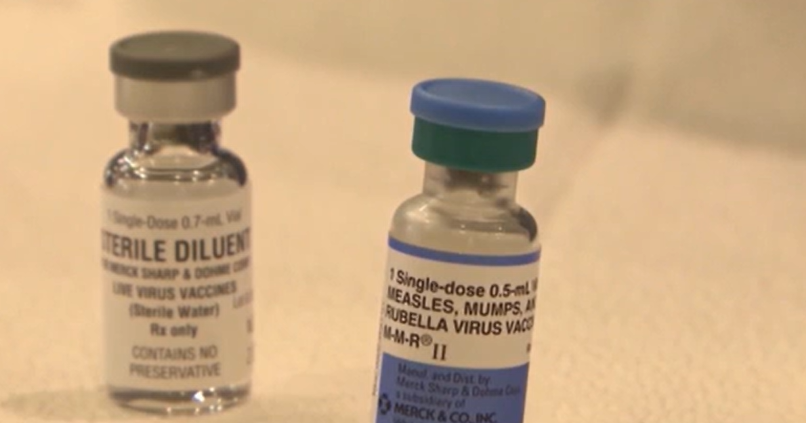
Nationwide, over 3,000 confirmed cases have been recorded this year, the highest level in 35 years. Measles causes fever, rash, and respiratory symptoms and spreads rapidly, but the two-dose MMR vaccine prevents it with 97% effectiveness. Children typically receive doses at 12 to 15 months and 4 to 6 years.
CDC data shows MMR coverage among kindergarteners fell to 92.5% last year, short of the 95% threshold needed to maintain herd immunity and protect the community. President Donald Trump signed an executive order in August that called for reducing the number of immunizations on the federal childhood vaccination schedule from 17 to 11 (Reuters) Just 19% of poll respondents approved of Trump's handling of the outbreak, compared to 52% who disapproved, with others undecided or not responding. Trump has made few public statements regarding the outbreak, even as the U.S. risks losing its official status as a nation that eliminated measles due to ongoing domestic transmission—a major shift for a country that eradicated the disease decades ago.
Registered voters favored Democrats over Republicans by 45% to 25% when asked which party is better suited to handle infectious diseases like measles. That gap could concern Republicans aiming to retain control of Congress in the November 3 midterms, though public health issues remain secondary to voters. While 31% of voters expressed serious concern about measles, 58% cited the cost of living as a primary worry.
Following Pennsylvania's announcement of two deaths last month, Kennedy repeated debunked claims that the MMR shot contains aborted fetal material and questioned measles' role in the fatalities. Pennsylvania has since reported a third death. The nationwide online Reuters/Ipsos survey polled 1,143 U.S. adults and had a margin of error of 3 percentage points.
Source: The Independent